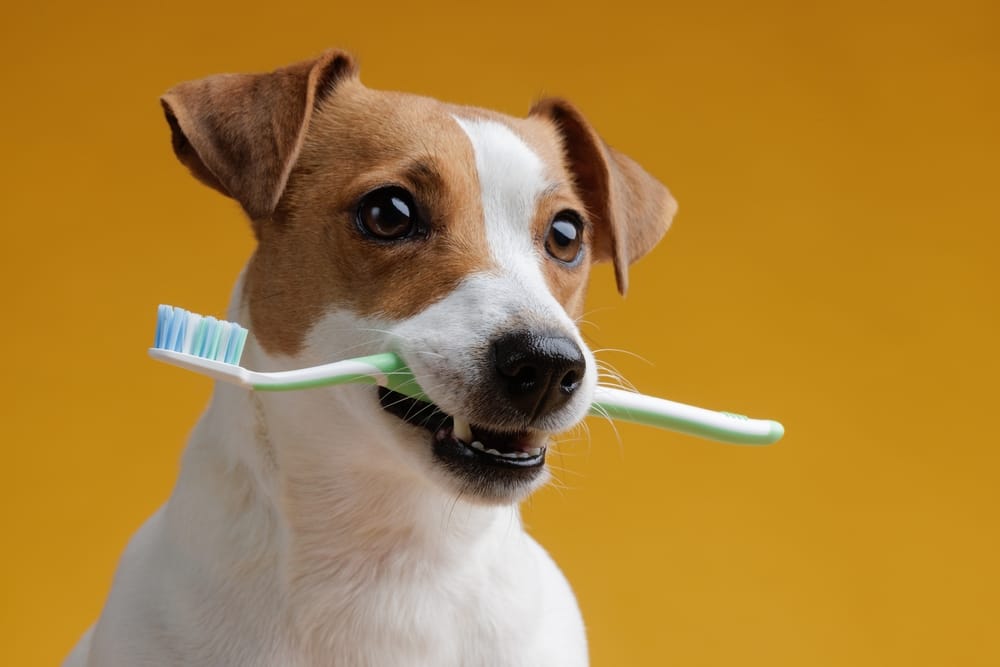
Pet Dental Cleanings and Procedures
Your pet’s mouth tells a lot about their overall health, and most owners are surprised by how much goes unnoticed between visits. At Brookhurst Animal Medical Center, Dr. Lauren Heit, DVM takes a thorough approach to pet dental cleanings and procedures, treating them as an essential part of your dog’s or cat’s long-term wellness rather than an optional add-on. Both routine visits and more involved treatments come with the same commitment: clear answers, honest recommendations, and care built around your pet’s specific needs.
Understanding Pet Dental Cleanings and Procedures
Dental disease develops quietly, often without any obvious signs that your pet is struggling. The mouth rarely makes the priority list until something is visibly wrong. Bacteria accumulate along and beneath the gumline, forming tartar that hardens over time and creates the conditions for infection, bone loss, and significant pain. Professional pet dental cleanings and procedures exist to address what routine home care misses.
A COHAT (Comprehensive Oral Health Assessment and Treatment) is the gold standard, combining a full oral exam, digital X-rays, ultrasonic scaling, polishing, and detailed dental charting, all performed under general anesthesia. This level of care gives a complete view of your pet’s oral health, not just what’s visible at the surface. Teeth too compromised to save are addressed through extractions and targeted periodontal treatments, all completed in the same appointment to resolve the source of pain rather than manage around it.
Benefits of Routine Dental Visits for Your Pet
Professional Cleanings Go Where Brushing Can't
Home dental care is a great habit, but it has limits. Tartar that forms below the gumline, where brushes and chews simply can’t reach, requires professional tools to remove safely. Regular cleanings clear that hidden buildup before it progresses into infection, bone loss, and tooth damage.
Quiet Pain Becomes Obvious in Hindsight
Most pets won’t stop eating or show obvious signs even as their mouth causes them real discomfort; they simply adapt. It’s only after a cleaning or extraction that owners notice the difference: a pet that’s more relaxed at mealtime, more playful, more themselves. That shift is often the first sign of just how long the discomfort had been going on.
X-Rays Show What No Exam Alone Can
A lot of dental disease lives out of view during a standard exam. Digital X-rays provide detailed tooth and bone imaging that identifies abnormalities before they become emergencies. Identifying these problems at the right stage means more treatment options and a better outcome for your pet.
A Healthy Mouth Supports Your Pet's Vital Organs
Infected gum tissue releases bacteria that can travel through the bloodstream. Untreated dental disease can put added strain on major organs over time, making consistent dental care one of the more direct ways to support your pet’s long-term health beyond the mouth.
Detailed Records Make Future Care Smarter
Each professional dental visit produces a full dental chart, a documented snapshot of your pet’s oral health that captures conditions and anything flagged for monitoring. That record becomes a reference point at every future visit, making it much easier to catch gradual changes and act before a small issue grows into something bigger.
How We Deliver Quality Dental Care for Dogs and Cats
Spotting the Issues Before They Worsen
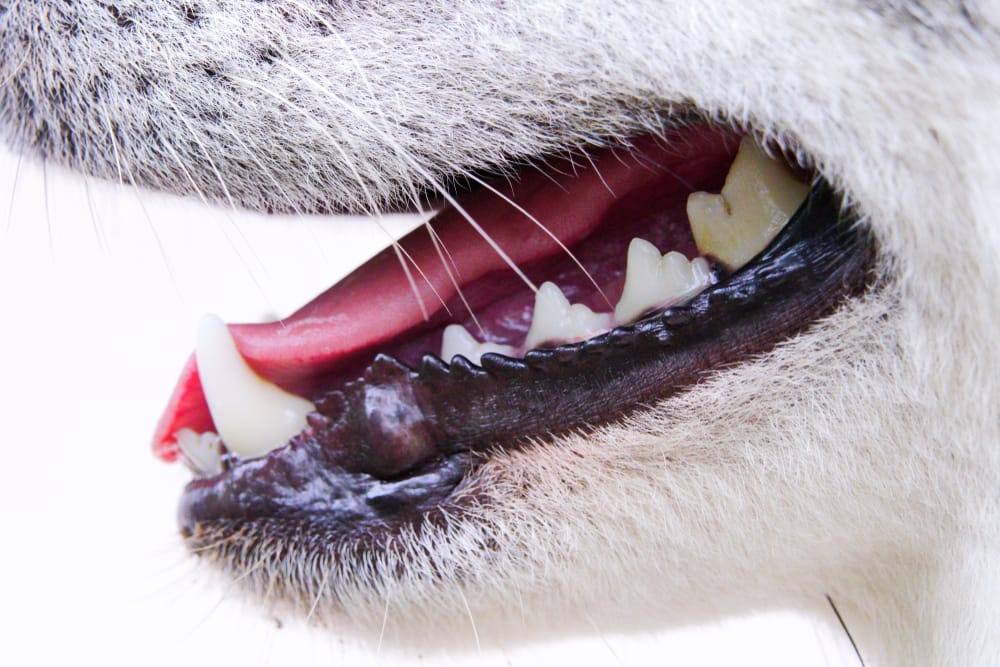
The first step is a hands-on oral exam that goes tooth by tooth, checking the gums, tongue, throat, and surrounding tissue for anything that warrants attention. Dr. Lauren Heit looks specifically for signs of tartar accumulation, gum inflammation, unusual growths, and structural concerns that may not be obvious at a glance. Catching these details early is what separates a manageable dental issue from one that requires significantly more involved treatment down the line.
Explaining What We Found and What Comes Next
Once the exam is complete, Dr. Heit walks you through her findings in plain terms: what she saw, what it means, and what she recommends. Pre-operative bloodwork is reviewed to confirm your pet is a safe candidate for anesthesia before anything is scheduled. If results point toward extractions or additional procedures, that conversation happens here, so you’re fully informed and comfortable with the plan before your pet’s appointment.
The Procedure: Cleaning Below the Gumline and Beyond
Your pet is placed under general anesthesia with IV catheterization, then digital X-rays are taken to provide detailed tooth and bone imaging that guides the procedure. Ultrasonic scaling removes hardened tartar above and below the gumline, followed by polishing to smooth each tooth surface and slow future buildup. Every tooth is documented in a detailed dental chart, and any extractions or targeted periodontal treatments are handled during that same visit.
Recovery Instructions and Home Brushing Guidance
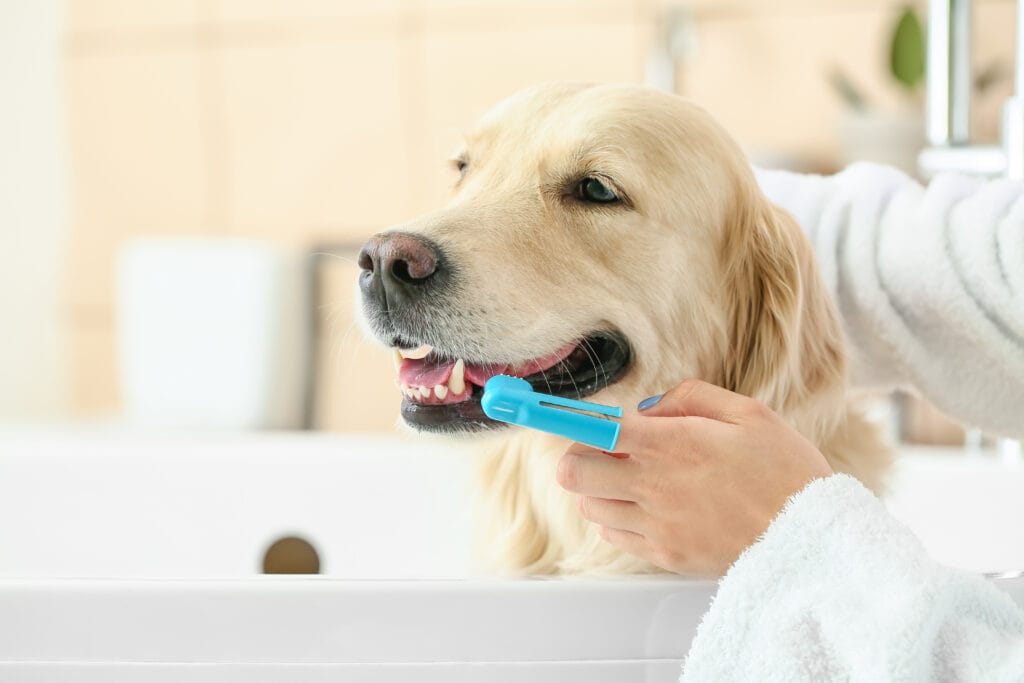
Before you leave, you’ll receive specific discharge instructions covering what to feed your pet in the hours after the procedure, what healing looks like, and what should prompt a call to our practice. Dr. Heit also covers practical home care: how to introduce tooth brushing, which dental products are actually effective, and realistic habits that fit your pet’s temperament and your daily routine.
Staying Ahead of Future Buildup for Optimal Oral Health
How quickly tartar returns varies by pet, as breed, diet, home care habits, and existing dental history all play a role. Some pets do well with annual cleanings; others need professional care every six months to maintain healthy gum tissue and prevent recurrence of periodontal disease. Your pet’s dental chart is updated at every visit, giving our team a running record that makes it easier to spot trends, adjust the cleaning schedule, and respond to changes before they become problems.
Why Pet Owners Trust Us for Dental Cleanings and Procedures
Dr. Lauren Heit, DVM built our practice around a high standard of care and honest, transparent communication, and that extends directly to how dental services are handled. Every procedure is backed by our in-house diagnostics, including digital dental X-rays, so nothing goes undetected. You won’t be handed a treatment plan without a clear explanation of why it’s recommended or what it involves.
Our practice handles diagnostics and lab work on-site, which means bloodwork and imaging don’t require a separate appointment or outside referral. This keeps the process efficient for you and reduces unnecessary stress for your pet. You’ll find an approach here built on transparency: the full picture, the reasoning behind every recommendation, and a team that treats your questions as a normal and welcome part of every visit.
Invest in Your Pet’s Oral and Overall Health With Professional Cleanings
Your dog or cat isn’t going to tell you their mouth hurts, but the signs are there if someone knows where to look. Dr. Lauren Heit and our team at Brookhurst Animal Medical Center are ready to take a thorough look, give you straight answers, and put together a dental care plan that actually fits your pet. Don’t wait for visible symptoms to make the appointment. Reach us at 714-776-7387.
Find us easily on Google Maps and while you’re there, see what pet owners in Anaheim and surrounding areas are saying about the care their dogs and cats receive. Our Yelp page also has plenty of firsthand accounts from clients who’ve trusted us with their pets’ dental health and overall care. Connect with us on Facebook and Instagram for pet health tips, a closer look at our team, our patients, and the day-to-day life of a practice that takes this work seriously. Your pet’s healthier mouth is one call away.
Request Appointment
FAQs
Does pet insurance cover dental cleaning?
Many pet insurance plans do include some coverage for dental cleanings and procedures, though the specifics vary widely by provider and policy. Some plans cover routine preventive care, while others only cover dental work tied to illness or injury. It’s worth reviewing your policy details or calling your insurance provider directly before scheduling to understand what will be reimbursed and whether pre-authorization is required.
How long does a dog dental cleaning take?
The time needed for a dog dental cleaning varies depending on the condition of your pet’s teeth and whether extractions or additional treatments are required. That time covers anesthesia induction, digital X-rays, scaling, polishing, charting, and monitored recovery before your dog is stable and ready to head home. Our team will give you a realistic time estimate during your consultation so there are no surprises.
How often do dogs need dental cleaning?
For most dogs, once a year is the right cadence, but that’s a starting point, not a fixed rule. Breeds with crowded teeth, dogs with a history of periodontal disease, or those who resist home brushing often need cleanings every six months to stay ahead of buildup. The right schedule for your dog will be based on what we find during each visit and how their mouth responds between appointments.
Do cats need dental cleanings?
Absolutely. Dental disease is just as prevalent in cats as it is in dogs, and it tends to go unnoticed longer because cats are skilled at masking discomfort. Without regular professional cleanings, oral disease can progress significantly before any visible signs appear, affecting your cat’s ability to eat comfortably and their overall quality of life. Staying current on dental care is one of the most effective ways to protect your cat’s health as they age.
How to prevent dental disease in cats?
Professional dental cleanings are the most reliable way to remove tartar buildup that home care can’t reach on its own. Between visits, brushing your cat’s teeth regularly with a pet-safe toothpaste, offering dental treats, and using veterinarian-recommended rinses or dental diets can all help slow the progression of plaque. Scheduling routine wellness exams gives Dr. Heit the opportunity to catch early signs of dental disease before they require more involved treatment.